

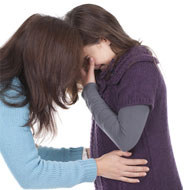
- Pregnancy Miscarriage Trimester
- Miscarriage Signs First Trimester
- Miscarriage Second Trimester
- Miscarriage at 6 Weeks
- Miscarriage Cramps
- Miscarriage Without Cramps
- Pregnancy Test Miscarriage
- Miscarriage Effects
- Signs of Miscarriage At 8 Weeks
- Miscarriage Complications
- Pregnancy Miscarriage Symptoms
- Miscarriage at 10 Weeks
- Miscarriage at 4 Weeks
- Miscarriage Recovery
- Miscarriage Causes
- Miscarriage Back Pain
- Miscarriage Pain
- Miscarriage Brown Discharge
- Miscarriage Dreams
- Miscarriage Diagnosis
- Miscarriage Emotions
- Miscarriage Fever
- Miscarriage Nausea
- Miscarriage 11 Weeks
- Miscarriage 5 Months
- Miscarriage Third Trimester
- Miscarriage Bleeding
- Miscarriage at 12 Weeks
- Miscarriage Clots
- Miscarriage Genetic
- Miscarriage Infection
- Miscarriage Misdiagnosis
- Miscarriage at 16 Weeks
- Miscarriage Discharge
- Miscarriage IUD
- Miscarriage Length
- Miscarriage Lower Back Pain
- Miscarriage Morning Sickness
- Miscarriage Grief
- Recurrent Miscarriage Treatment
- Miscarriage Vomiting
- Miscarriage Vitamin C
- Miscarriage Twins
- Miscarriage 15 Weeks
- Miscarriage 3 Months
- Miscarriage Causes First Trimester
- Miscarriage Frequency
- Miscarriage Hereditary
- Miscarriage Diarrhea
- Miscarriage Treatment
- Miscarriage Uterus
- Miscarriage UTI
- Miscarriage 14 Weeks
- Miscarriage 13 Weeks
- Miscarriage 2 Months
- Miscarriage 6 Months
- Vaginal Discharge After Miscarriage
- Miscarriage At 17 Weeks
- Miscarriage Infection Symptoms
- Miscarriage 20 Weeks
- Multiple Miscarriage Treatment
- Post Miscarriage Bleeding
- Miscarriage Causes Second Trimester
- Miscarriage 7 Months
- Miscarriage Infection Signs
- Lower Back Pain Miscarriage
- Miscarriage 19 Weeks
- Miscarriage 4 Months
Top
Go Back On