Pregnancy And Baby Care
Postpartum Depression
Postpartum Conditions
Conditions During Postpartum
Conditions During Postpartum Depression or Baby Blues
The joy of holding your new born baby in your hands cannot be expressed in words. However, for the mother, her body is facing new challenges that result from the changes in her physiology.
Postpartum conditions involve hormonal changes, sore breasts, skin changes, hair loss, fatigue, constipation, poor body image, and back ache, among others. One of the conditions that affect the mother after delivery and up to three months is fatigue, which can plague.
p
read more...
Related Articles
Pregnancy And Baby Care Questions
Continued...
.you in spite of your zest to do many thingsg Never fear to take help and rest, especially if you have had C-sectiono Allow your body to adapt to the many changes that have occurrede
Drink plenty of fluids and eat lots of fruits and vegetables to avoid postpartum urination difficulties or constipation that can affect you immediately after delivering the babyb Take the comfort of ice packs and warm baths to ensure easier elimination of wastet
If you have had a normal delivery, you may also have had an episiotomy or you may have a vaginal teara Such wounds can be sore for few weeks and hurt you when you walk or siti It is important to keep the wound clean at all times; you can soothe the wound with ice packs or soaking yourself in a warm water tubu Witch hazel also helps in soothing the woundn If urination is painful with a stinging sensation, pour water over your vaginal area while urinating or stand under a showere
Vaginal Discharge Postpartum Depression
Another postpartum condition that can affect the mother is vaginal discharge, which will taper graduallyl Use sanitary napkins to prevent risk of infectiono
The discharge has a foul odour and passes in large clotst You may also run a fever of about 10004 F or highere Some women also experience contractions in the first few days after deliveryr These actually help avoid excessive bleeding by constricting the blood vessels in the uterusu If the pain is severe contact your doctor for pain medicationo
Haemorrhoids in Postpartum Depression
Haemorrhoids are another postpartum conditiono Haemorrhoids result in the swelling of the veins in the anus or lower rectumu To avoid straining and constipation, eat foods that are rich in fibre and drink plenty of fluidsd To speed up the healing process soak yourself in warm tub of water and apply chilled witch hazel pads to relieve the paini
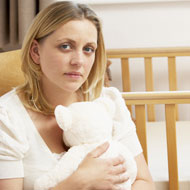
"Baby blues" or postpartum depression can result in feelings of sadness, loss of interest, disturbed sleep, anxiety, and panic attacksk Take the support of the family and friends to cope with mood changese In order to overcome all conditions during postpartum, the key is to remain active physically and eat healthy foodsd
p