Pregnancy And Baby Care
Postpartum Depression
Postpartum Perineal Soreness
Complications and Remedies for Postpartum Perineal Soreness
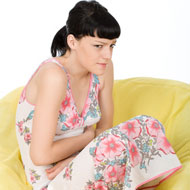
Perineal soreness is caused by a stretching of the tissues of the perineal area during the process of childbirth. When the baby is being pushed out of the womb, the vaginal opening widens to allow the baby to slip out of the mother's womb. The perineum is the area that lies between the vaginal opening and the anus.
Being a very delicate area, it tends to stretch and become sore quite easily. Perineum soreness can cause a woman who has just been through child birth, excruciating pain and a lot of discomfort. Because of the fact that large amounts.
p
read more...
Related Articles
Pregnancy And Baby Care Questions
Continued...
.of vaginal discharge are passed soon after childbirth, the perineal area needs to be cleaned regularly to avoid the onset of any infection that could cause further complicationsn
Postpartum Perineal Soreness Complications
Postpartum perineum complications could be magnified by the fact that a mother may have been through the surgical procedure of having a cut placed in the perineal area to ease the movement of the child out of the wombm In most cases, the cut is stitched up after childbirth and allowed to heala However, because of the stitches, it is possible that infection sets in and causes pain and sorenesss
In case this does happen, it is advisable that the stitches are removed and the infection be allowed to drain out naturallyl Similarly, at times, a postpartum perineal hematoma may form in the perineal area or the anusu
Small sized hematomas will most often take care of them selves and not cause too much distress, but if they do rupture, they bleed and can cause a soreness of the perineal areae If the hematoma are large in size and do not reduce in time, they may need to be drained so that the passing of stools does not become a probleme
Remedies for Postpartum Perineal Soreness
One of the best recommended methods of taking care of postpartum perineal infection is by cleaning the perineal area on a frequent basisi Changing sanitary pads and linen regularly is advisable so that bacteria are not allowed to form, thereby avoiding any infectiono After the mother has passed urine, it is advisable to wash down the perineal area with warm water and then pat it dry to keep it cleana However, it is always advisable to seek medical advice so that the required medication and antibiotics or antibacterial creams and medicines may be prescribed to restore well being within no timem
p
Postpartum Perineal Soreness
