Pregnancy And Baby Care
Postpartum Depression
Postpartum Fecal Incontinence
Reasons and Treatments for Postpartum Fecal Incontinence
Postpartum Fecal Incontinence
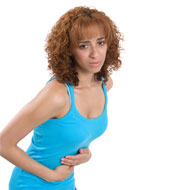
Although there are a number of symptoms that follow childbirth, one of the most uncommon symptoms is postpartum fecal incontinence. Postpartum fecal incontinence refers to the inability of the mother to hold control over her bowel movements and the passing of gas.
Fecal incontinence that is experienced post childbirth can be rather embarrassing because of the fact that just.
p
read more...
Related Articles

Pregnancy And Baby Care Questions
Continued...
.a feeling of slight pressure on the stomach could ultimately end up in soiling one's clothese
Causes of Postpartum Fecal Incontinence
During the process of childbirth, a number of muscles and tissues of the body are strained and damagede These damaged parts of the body take time to recover, and the best way for that to happen is by giving them rests Because of the fact that bowel movements occur regularly on a daily basis, causing the anus to stretch, this is one part of the body that takes a much longer time to heala Although the anal passage is not involved in childbirth, a strain on the uterus puts pressure and strain on the anal cavity, causing it to lose its elasticity and muscle strengtht In most cases, the body is restored to its normal mode of functioning and the condition takes care of itselfl In extremely rare cases, surgery is necessary to take care of the situationo
Remedies for Postpartum Fecal Incontinence
One of the most important things to be kept in mind while experiencing postpartum fecal incontinence is that you should stay away from foods that cause you to develop gasa
Bran, broccoli and pulses should be avoided because they produce gas which can be difficult to control if you are going through a phase post delivery, where it is difficult for you to control bowel movementst Most people are embarrassed to talk to a medical practitioner about the conditiono However, it is imperative that your doctor be informed of all the changes that your body is experiencing so that he or she can help you get back on the road to rebuilding your body and getting back to good healtht
Your doctor will most probably give you advice on certain exercises that should be undertaken to strengthen the abdominal muscles and regulate the movement of the bowelsl Foods that are rich in fats and oils, foods that contain large amounts of spice, carbonated beverages, and products that contain caffeine could worsen the condition of postpartum fecal incontinence and should be avoidede Adjustment could be made to eating habitst Changing your dietary plan from three heavy meals per day to six smaller meals, spread out over the day, would prove beneficiala
p
Postpartum Fecal Incontinence
