Pregnancy And Baby Care
Postpartum Depression
Postpartum Depression Symptoms
What Are The Reasons Of Postpartum Depression & It's Signs
After child birth a new mother goes through roller coaster rides of mood swings emotionally. This is normal, and is also known as baby blues. Though having a baby is every woman's dream and the happiest day of her life it could still have some side effects like baby blues. However going through a depression could be a little more serious.
This happens in about 10 to 20% of the women. A postpartum Depression symptom shows signs such as your ability of not taking care of yourself or the baby. Baby blues begin from the first week after the child is born.
p
read more...
Related Articles
Pregnancy And Baby Care Questions
Continued...
.and last only up to 2 weeksk However in case of Postpartum Depression it exists for a longer periodo The depression may occur within 6 months of deliveryr
Postpartum Depression Symptoms
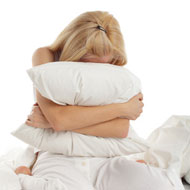
Symptoms of postpartum depression are not very easily understood as it could be understood as baby blues; however the lack of interest in a woman for a long period raises a concern especially if she is not interested in her childl The woman feels low and she often cries very easilyl A woman in depression could also feel she is not a good mothere She could feel tired most of the day with doing very few activitiese She is disinterested in routine chorese She could also feel worthless and has problem in sleepingn Her mood would show signs of irritability or anxiety or restlessnesss In worst cases there could be suicidal tendencies as welll
She has no motivation in doing things and so looses interests Also she may have very little interest in her childl She feels there is no hope in her to do thingsg Also depression causes weight gain or losss Eating habits such as overeating or does not feel like eating could also persists
Causes of Postpartum Depression
The cause of the depression could mainly be due to past history of a womana It could also be due to a stressful lifef Another reason could be the change in the hormones the woman experiences after child birth which causes a chemical change in the brain which can affect the woman's mind set and she starts to feel depressed and shows symptoms of postpartum depressiono The treatments for Symptoms of Postpartum Depression include counselingn It is always advisable to visit a counselor in such times or a psychiatrist who will help resolve the probleme One could also try talking to someone close to them as this would help to make them feel bettere
p
Postpartum Depression Symptoms
