Pregnancy And Baby Care
Postpartum Depression
Treatment For Postpartum Depression & Identifying It
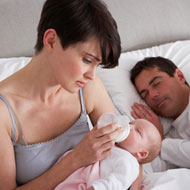
You've just had a baby. This is supposed to be one of the most joyous times of your life, but what's this? You are crying, snapping at a drop of a hat, and feeling cranky for no obvious reasons!
Whatever happened to the "happy mom"? The truth be told, happy young mothers only exist in television Ads. They giggle, laugh, sing and are pleasantly oblivious to the condition called postpartum depression which unfortunately happens to cripple the mood and feelings of almost 80% of new moms.
read more...
Related Articles
Pregnancy And Baby Care Questions
Continued...
Postpartum Depression Definition
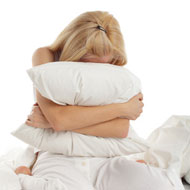
Is it mere mood swings or feeling low? The baby blues, as it is widely known as can range from a mild mood disturbance to extreme psychological imbalance including hallucination, depression, and suicidal thoughts.
In most cases, the mild mood swings fizzle out over a period of a few months. However, nearly 10 percent of young mothers tend to swing to the severe side of postpartum depression.
This problem usually occurs within the first few months of giving birth to your baby. Although it is not tied to any serious medical condition or any medical history, a record of high stress, nervous breakdowns, and lack of emotional support could be risk factors for the postpartum depression scale to tip to the negative side.
Identifying Postpartum Depression
Usually it can be identified through basic behavioral changes such as being teary eyed, feeling tired and lethargic constantly, suffering from insomnia, frequently being bombarded with negative thoughts, fearfulness, suicidal or scattered thoughts, and a lack of concentration.
Postpartum depression on this scale usually does not require any medical or psychiatric treatment. It can be treated with family and peer support and exercises to build up your self confidence. However, there is a more serious form of this disorder called postpartum depression psychosis. Though this is rare and happens to only 2 - 3% of the population, the outcome can range from self harm, hallucinations, to uncontrollable anger. It is often associated with conditions such as bipolar disorder and debilitating depression.
Don't panic! This Dr. Jekyll and Mr. Hyde situation is treatable and can be brought under control.
Do not feel guilty about the emotions that you are undergoing. Blame it simply on the hormones. The constant fluctuation of hormones during the pregnancy and then post delivery only adds to the drama.
Postpartum Depression Treatment
In such a scenario, what you need to do is seek postpartum depression help. Do not be ashamed of your condition. While in severe cases, medical help should not ruled out, in mild forms, self care is more than enough to tide over the troubles.
First and foremost, seek family support. Do not alienate yourself thinking that you are bad or evil. Take care of yourself and that includes getting more than the 9 hours of snooze time, eating properly, exercising and feeling good about your body and self.
Don't lock yourself up at home. Get out, get moving. Meet new people, mingle. Go out on a date with your partner to your favorite joint, or simply let your hair down and sway to the DJ-whatever catches your fancy. Another equally good solution is to talk to other new moms; bond and share.
Don't dismiss any symptoms, but don't let them paralyze you either. Create a win win situation by understanding, researching and being an active participant in curing yourself of the blues.