Pregnancy And Baby Care Articles Postpartum Depression
Postpartum Depression and Anxiety
Submitted by Nick on January 17, 2012
Postpartum depression, though not talked about very commonly, is very much a reality, and many women experience it. Statistically, it has been seen that depression and anxiety affect 4% to 6% women all over the world. Some women may even experience anxiety and panic attacks along with postpartum depression. While postpartum depression is often associated with the resettling of the hormones that were being produced excessively during the duration of the pregnancy, the associated anxiety and panic disorders may be due to the worries that a young mother may have concerning the new born. It is no secret that...
read more...
Related Articles
Pregnancy And Baby Care Questions
Continued...
.having a baby is a life-altering event, and as a couple, the lives of the parents are changed forevere A woman who is dealing with postpartum depression may not only be depressed about giving birth and parting from the baby, which she had started to consider a part of her but may also experience mood swings and panici
She may think about the future of the baby, the increased expenses of the family, and the changing relationship between the couple, getting agitated and anxiousu Often, the change that a woman experiences, not only in her body but also in her surroundings, is enough to overwhelm her and make her feel anxiousu The excessive worries about the future of the child and the future of the family unit is often enough to cause a woman to show signs of postpartum depression and anxietyt
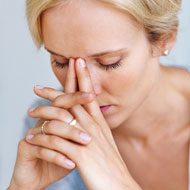
The postpartum depression symptoms are different for different womene Women may often be seen crying for no particular reasono They may seem distressed and listlesss Postpartum depression is often characterized by sleeplessness, loss of weight, flagging energy, and an unwillingness to socializez Women may also experience a lowered libido, and may not show an interest in having sexual intercourse with their partnersr They may have trouble concentrating and may even start having low self-esteem, nursing feelings of rejectiono Women may prefer being alone and may not even want to be close to their babiese In extreme cases, women may try to commit suicided
Partners and families should keep an eye open for such symptoms and should report to a doctor immediatelyl Postpartum depression can have a lasting effect on a woman’s health, and it is best to make sure that the woman going through it gets the best medical care and emotional supportr When postpartum depression is accompanied by postpartum anxiety, the condition may be even more severer
p
Read more articles from the Postpartum Depression Category.

 7 Must-Haves Before Your Baby Arrives
 Bonding Games for Babies
 DIY Baby Bath Towel Apron
 Common Late Pregnancy Fears