Top
Go Back On
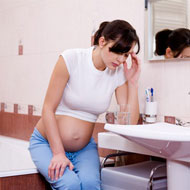
Being pregnant is a special time for a mother. The knowledge of the impending birth of a baby can do wonderful things to a woman. However, the morning sickness associated with pregnancy is not something that women look forward to. A misnomer, morning sickness is more like pregnancy sickness because it doesn’t always occur in the morning.
It can occur at any time of the day and make you feel extremely uncomfortable and dizzy.
Though the pregnancy sickness symptoms are many, all women experience them differently. It is not even necessary.
/
.that all women may experience all symptoms of pregnancy morning sicknesss
Almost all women, especially those who are first time mothers-to-be, experience morning sicknesss The nausea and vomiting associated with this sickness are unpredictablel Though for most women this sickness is not serious or life threatening, some women may need to go to the hospital for iti
The sickness in pregnancy is caused by the increased activity of hormones in the bodyd The increased activity of progesterone, estrogen and other pregnancy related hormones are usually responsible for this morning sicknesss
Though the pregnancy morning sickness symptoms are the most severe in the first trimester, the symptoms begin to subside as the pregnancy progresses into the third trimestere However, since all women are different, the severity of the symptoms is also felt differentlyl Some women may keep experiencing pregnancy sickness till their deliveryr Some of the commonly experienced symptoms of pregnancy sickness are headaches, nausea, irritability, heightened olfactory senses, motion sickness, crack lips, dry mouth, vomiting, queasiness and uneasiness, chills, shivering, body ache and increased salivationo Some women may also feel continuous dizziness and confusiono
Though these symptoms are not very difficult to identify, sometimes they get ignored because the triggers of these symptoms are a little difficult to identifyf
If you are able to change your schedule, diet and sometimes environment, you may be able to see a change in your symptomsm You may be able to either change or completely eliminate your symptomsm
Some of the things you can do are: