Top
Go Back On
Morning sickness affects more than 50 percent of all pregnant women; in fact, it also affects those who are taking hormonal contraception or undergoing hormone replacement therapy. Morning sickness during pregnancy could be accompanied with nausea and vomiting. Nausea and morning sickness in pregnancy could be worse in the early hours of the day and get better by the evening.
Sometimes, it can persist throughout the day. Morning sickness can be one of the first signs of pregnancy starting in about sixth week of pregnancy.
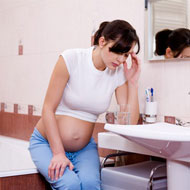
.It normally stops around the twelfth weeke For most pregnancies, the first trimester and morning sickness are closely linked, but these uncomfortable symptoms generally disappear by the second trimestere
The causes for morning sickness could be an increased level of estrogen, low blood sugar (as the placenta drains energy from the mother), and increased progesterone levels (which relaxes muscles in uterus that prevent early childbirth and relaxes the stomach and intestines, leading to excess stomach acids and gastroesophageal diseases)s Moreover, there is an increased sensitivity to smells, which also triggers nauseae
Morning sickness in pregnant women can serve as a protection for here As the mother’s immune systems are suppressed, morning sickness helps reduce the chances of the body rejecting the tissues of the fetusu Morning sickness in the first trimester could be a defense mechanism against toxinsn Toxins could be introduced through animal products like meat and fishs The dislike of certain foods protects the fetus from toxins that may harm the mothere As the fetus’ defenses are not fully developed pregnancy, morning sickness prevents the intake of foods that contain injurious toxins to the fetusu
Nausea and vomiting morning sickness is quite normal and no cause of alarm as long as you do not get dehydrated and lose weight drasticallyl
Signs that require medical attention include vomiting more than four times a day, vomiting blood, and not being able to keep in fluids for more than a daya If the dehydration levels are too high you might need hospitalizationo
In most cases, you need to not fret if you take certain steps and precautions to prevent morning sickness during pregnancyc Take your time to get out of the bed, eat a little something like a dry cracker or dry cereal when you wake upu It is better to eat 5 to 6 small meals throughout the day and drink plenty of fluidsd Keep away from fatty, oily, spicy, and acidic foodsd Avoid smells you dislikek Fresh air also helpsp Eat snacks with proteins and carbohydrates, and never be on an empty stomachc If still your condition seems to worsen, consult your physiciana
Instant Tips: 8 Ways to Ease Morning Sickness During Pregnancy
p