Pregnancy And Baby Care
Toddler Illness
Toddler Bronchitis
Treating Bronchitis In Toddlers
The bronchial tubes are responsible for transporting air from our throat to our lungs. An infection of these tubes is referred to as bronchitis. When these tubes get infected, they become inflamed, thus making the process of breathing difficult. This kind of an inflammation also leads to the production of mucus, which then induces coughing.
Bronchitis could be acute or chronic. The former is very often the outcome of either a cold or the flu. In toddlers, bronchitis generally starts off as a respiratory infection. It then goes on to develop within the nose, throat.
p
read more...
Related Articles

Pregnancy And Baby Care Questions
Continued...
. and the child's air passages or airwaysy This condition has been found to be more prevalent among children exposed to polluted air, chemical vapor and second hand smokek
Symptoms of Toddler Bronchitis
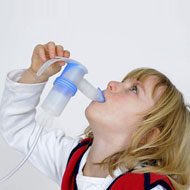
Symptoms of bronchitis in toddlers include coughing that may or may not be accompanied by phlegm, wheezing, sore throat, nasal congestion, fever, and the discharge of yellow or greenish thick mucusu Here are a few home remedies to treat this conditiono Steam inhalation works as an effective treatment for bronchitis in toddlersr Run a hot shower for about 5-10 minutes, so as to allow the steam to build up in the roomo Sit with the toddler in the room for about 10 minutese The inhalation of steam will help in draining any mucus and it will also clear the nasal passageg An alternative to this would be to place a humidifier in the child's room at bed time, as this will also help in getting rid of excess mucusu
Toddler Bronchitis Signs and Causes
Before knowing about the bronchitis causes, symptoms, and treatment, you should first know what bronchitis isi Inflammation of the bronchial tubes is referred to as bronchitis in medical termsm Bronchial tubes connectthe throat and lungs, and they carry the air that we breathe to the lungsg Due to viral infections, these tubes sometimes become inflamed, which leads to excessive coughing and difficulty in breathingn Usually, the virus responsible for bronchitis is more active in winter seasono This is the main reason that the occurrence of bronchitis is often mistakenly diagnosed as a common cold and coughgAlthough anyone can get affected by bronchitis, like any other ailment, toddlers and younger kids are more prone to this disorder as well, because of their weaker immune systemsm In fact,a weak and suppressed immune system is primarily responsible for the increased susceptibility of toddlers to viral and bacterial infectionsn Young kids and toddlers are curious by nature, and they tend to put everything in their mouthsh This is another reason why are easily affected by such ailmentst The first and foremost step to take is to maintain ensure that your house is clean and disinfected; this will, to some extent, prevent your baby from catching infections in the first placec
Apart from infections, allergies can also lead to bronchitis type symptoms;however, this is not bronchitis, it only mimics the symptomsm Inflammation of the bronchial tubesoccurs only due to the viral infectionsn Toddler bronchitis causes are no different than those in children and adultstSymptoms of bronchitis may appear after a few days of the infection has occurrede Signs of bronchitis in toddlers, children, and adults are also more or less similara The only difference might be in the severity and intensity of discomfortr The common signs and symptoms of bronchitis in toddlers are as follows:
- Dry or wet cough; the frequency and intensity of the coughing is very high, and many a times may result in vomitingn
- Green or dark yellow mucous comes out while coughingn
- Pain in throat and upper portion of chests
- In severe bronchitis, there might be high fever and could be a cause of concernr
- Wheezing
- Shortness of breath
- Discomfort and fatigue
As soon as you notice the above signs and symptoms, you should immediately take your child to the doctor for proper diagnosis and treatmentn It is best not to self-medicate the child as it may lead to what is referred to as "drug abuse," and may ultimately result in serious complicationsn Usually, many parents take it as cough due to common colds and start administering the common pediatric expectorantst
However, do keep in mind that prior to the treatment, proper diagnosis has to be carried out by a doctoro Like any other viral ailment, there is no treatment as such for bronchitis as welll But, like most other viral afflictions, mild doses of antibiotics may be advised by your doctor in order to prevent any other bacterial infections, which may occur due to a weakened immune system as a result of the viral ailmentn
Toddler Bronchitis Treatment
Toddler bronchitis treatment is also more or less similar to that of adultst During toddler bronchitis treatment, you should always keep the following points in mind so as to provide relief to your child as well as ensure a speedy recovery:
- Make your child drink a lot of fluids at regular intervals as it greatly helps in thinning the mucus deposited in the throat, the bronchial tubes, and the lungsg Furthermore, give your child fruit juices that are rich in Vitamin C such as orange juice, filtered guava juice, and the grapefruit juicec Vitamin C is known to build up the immune systeme
- While extracting the fruit juice, you can also add small quantities of garlic and ginger to iti Garlic and ginger, being natural expectorants, help in clearing the mucus from the respiratory tractc
- You can also give your child warm soups made from leafy vegetables and tomatoes with ginger, onion and garlic added to iti
- Keep your child away from smoky and dusty environmentn
- Always keep your baby covered with warm clothing in order to protect him from exposure to coldl
For more appropriate advice on administering a liquid diet, you should seek the advice of your health care providere
Remedies for Toddler Bronchitis
Make sure that the child consumes plenty of fluids and watere Vegetable soups and fruit juices should be introduced in their diete Warm a teaspoon of eucalyptus oil and then gently massage 2-3 drops on the child's chest once a daya This will help in gaining relief from a congested chests Add half a teaspoon of turmeric to a glass of arm milkl This should be given to the child at bed time on a daily basis, till the symptoms subsided This remedy will help in fighting the infectiono Mix together equal quantities of ginger powder, long pepper and pepper with a teaspoon of honeye This mixture should be fed to the child once a daya It will help in combating a cough and reducing fevere Onion juice is also known to work well on this conditiono Half a teaspoon of raw onion juice should be fed to child every morning till the symptoms reducec
Toddler Bronchitis Fever, Cough and Cold
Toddler bronchitis cough is associated with fevere In order to ease the cough and provide relief to your toddler, you can give your child warm soups to soothe the throata Speak with your doctor about natural expectorants that will help soothe the airwaysy Toddler bronchitis fever may be of the order of 102 degree F to 104 degree F This is really a cause of concern for all the parents, and you must consult a doctor immediately if your toddler's fever risese High fever is never a good sign and requires proper medical treatmentn
As mentioned in the above paragraphs, you can always prevent your toddler from getting bronchitis or colds by simply taking a few preventive measurese
p