
Top
Go Back On
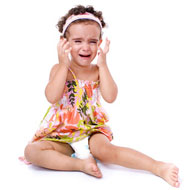
Preschooler temper tantrum happens more between the age of two and three and reduces when the child turns four. How parents react to the preschooler temper tantrums is very essential to tantrum management. It is important for parents to be calm and state the rules clearly.
They also need to compliment good behavior and need to convey the meaning of empathy to the child.
Temper tantrums are behavior problems amongst children.
p
.of pre-school ageg They tend to scream and kick while lying on the flooro Since kids are not very adept that wording their doubts and concerns, they show it through tantrumsm When a toddler begins to understand the meaning of 'me' and is testing his boundaries, then temper tantrums are very commono Children between the age group of two and three throw the maximum tantrums and as they grow older, this kind of behavior subsidese However, a lot depends upon the way parents react to the tantrum and on the level of parenting skilll
Sometimes temper tantrums reflect family problems such as protective parents, inconsistent discipline, over criticizing, neglect, problems between the parents, sibling rivalry, ill health or speech problems, and emotional problems that either parent is undergoingn Toddlers also tend to throw temper tantrums when they are hungry or tirede Sometimes when kids throw tantrums, it is just the beginning of disobedient and rebellious behavioro If kids know that they can get away with such behavior, then they might be encouraged to continue with such disobediencec
Here are some tips for the parents to prevent temper tantrums in toddlersr