
Top
Go Back On
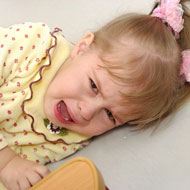
Tantrums are a part of a growing toddler’s life. Some toddler rarely burst into tantrums, others are more prone to them. A typical tantrum can last from a few minutes to a twenty-thirty minute episode and usually include lots of crying, screaming, kicking and throwing of things (including throwing themselves on the floor.
This can especially be a problem when the tantrum is thrown outside the home). There are various reasons for why toddlers throw tantrums. In some cases it could be the source of extreme frustration and anguish arising from the inability to communicate needs effectively; a tantrum can be the result of fatigue or hunger – when toddlers don’t get .
. enough rest or food they get cranky and restless; tantrums can be attention seeking behavior tantrums can be used by toddlers to get their way with the parentst How parents’ deal with these tantrums can encourage or discourage toddlers from resorting to them time and againi
Stay Calm
When a toddler throws a tantrum it is very important for parents to stay calm and not get frustrated or angry; yelling only prolongs the tantrumu It is crucial to maintain parental authority without giving way to emotions in such a scenarioi Parents tend to get flustered and embarrassed when their toddler throws a tantrum in publici But, chances are most parents will empathize with you; they’ve probably experienced their own set of toddler screaming tantrumsm
Ignore the Tantrum
It is very important for parents not to give in to tantrumsm Ignore the ‘demand’ that sets off the tantrum – this usually has to do with the child not wanting to do something you’ve asked of him or wanting something you’ve refused himi However, this is the hardest part of coping with tantrumsm It’s not easy to remain calm when your child is having toddler crying tantrumsm But giving in to the demand will only reinforce this behavioro Even during a tantrum it is important to tell your child you understand why he wants something and then give him the reason why he can’t have his waya
Reward Good Behavior
Acknowledging good behavior reinforces iti Parents can reward good behavior with treats (chocolates, ice-cream) but also with praise and using tools like behavior charts, where a good day is marked by a gold star, and collecting x number of gold stars means a trip to the fair, etct
Distraction
It helps to divert attention from the tantrum trigger to another point of interests For example if your child is about to throw a toddler sleep tantrum, distract him with a bedtime story about a kid who didn’t want to sleepe Distractions can be provided through stories, toys, games, etct
Make it Easy
Let the toddler have some control or at least let him think he doese Being a parent requires a lot of tact and strengtht It needs quick thinking and creativityt If you toddler doesn’t want to follow the line, give him an easy option to get on trackc For example if he want to play on a playground installation that you think might be dangerous, make a compromise, get on to the apparatus with the childl Or if the toddler refuses to wear socks on a chilly day, compromise, let him wear his favorite socks (with his favorite cartoon characters, for example)e This keeps both you and the toddler happyp
p