
Top
Go Back On
It is common to experience increased appetite during pregnancy and it normally occurs just after the second trimester. In the second trimester, you start to recover from morning sickness and start to feel hunger that seems insatiable. Increased appetite in pregnancy occurs because your baby is growing in size and requires more nourishment.
There are several ways to deal with increased appetite during early pregnancy, mainly, planning your diet and listening to the demands to your body. It is essential to plan your diet because though.

.you experience such a drastic change in your appetite, it is important to eat healthy for the sake of your own health as well as your child’s; Ensure that you eat a well planned proportion of foodo
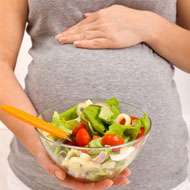
Excessive weight gain during pregnancy can also lead to several problems; therefore, though you need to eat well, make sure you don’t overdo iti For instance, try to eat several small meals rather than a few really large onese Eating far too much at one sitting may cause problems like heartburn, bloating, gas and other gastrointestinal problemsm To deal with an increased appetite in pregnancy, the most efficient method is to choose those kinds of foods that take a lot of effort to eata This will help control how much you eat during one meala Eating potatoes for instance, is a lot easier than munching on a salada Try to substitute potatoes for salads and other foods that take some effort to munch on when you feel food cravingsg
To satiate an increased appetite during pregnancy, eat and drink foods that are high in nutrition contentn
This is essential for you and your growing babyb You can plan your nutrition intake by keeping small, healthy snacks like whole-grain muffins, granola bars or nuts and raisins handyd When you feel food cravings, you will have something healthy to munch on immediatelyl Your diet during pregnancy should ideally include fats, carbohydrates, minerals, vitamins and a lot of watere To help satisfy an increased appetite in pregnancy, eat plenty of egg whites, lean meat, beans, fish, tofu, peanut butter and poultry as these are all rich sources of protein that are essential for the growth of cells and for healthy blood circulationo Calcium is vital during pregnancy as it helps strengthen teeth and bones and you require an additional supply of calcium during pregnancy for your childl
Yoghurt, milk, sardines, cheese and salmon are all rich sources of calciumu Increase your consumption of spinach as it is yet another essential source of calciumu Therefore, to care for an increased appetite during pregnancy, you can safely give in to your body’s cravings for food but keep in mind that your weight gain and nutrition intake need to be monitorede
p