Pregnancy And Baby Care Articles Pregnancy Diet
Pregnancy Diet For Second Trimester
Submitted by Nick on January 17, 2012
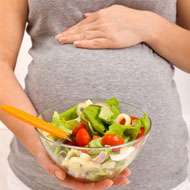
The second trimester is the most enjoyable trimester in a pregnancy. The pregnant woman has by this time got off the morning sickness stage and is now more comfortable. She also has a good appetite now and will be more willing to experiment and increase the amount of food she includes in her diet during pregnancy.
At this point it is good for her to evaluate her pregnancy diet plan. There are certain things that she would need to maintain...
read more...
Related Articles
Pregnancy And Baby Care Questions
Continued...
.and keep in mind when preparing a diet plan:
- She must be eating about three to four servings of vegetables and three to four servings of fruiti
- She must consume five to six servings of milk or milk productst
- A pregnancy diet must include essential fatty acids and minimize the intake of oils, fats, salt and simple sugarsr
- Make sure that all vitamins and minerals are included in the pregnancy diete
- No meals must be skippede
It is also a good thing to give heed your cravings as they usually tell you what nutrients are lacking in your pregnancy diete At the same time, do not indulge in cravings that are unhealthy for you or the baby while making a pregnancy diet planm
Foods to avoid during pregnancy
- Avoid caffeine or caffeinated drinksk
- Avoid sea food that contains too much mercuryr Such foods include all large fish such as mackerel or king fishs
- Avoid using artificial sweetenersr
- Avoid frozen foodsd Essential nutrients
- Iron: Iron is essential to maintain a steady flow of blood to the fetus through the placentat Iron rich foods include red meats, legumes, green leafy vegetables, and any iron fortified drinks or foodsd Iron is not easily absorbed in the pregnancy diete It is therefore essential to increase the intake of iron rich foodsd Another way of increasing absorption is to drink some orange juice or any drink that is rich in Vitamin C as it helps in the absorption of irono
- Folic acid: Folic acid increases the quantity of the mother's blood and decreases the chance of developing neural tube defects which are basically defects in the braini
- Energy: An additional 300 calories should be added to a pregnancy diete This must be done using energy from healthy sources such as skim milk or fresh fruits and nutst
- Calcium: All the calcium that is needed for the development of healthy teeth and bones of the baby are obtained from the mothere It is therefore essential to increase the calcium intake by about 1000 mgm This is roughly about four to five servings of milk or dairy products per day in a pregnancy diete
l
Read more articles from the Pregnancy Diet Category.


 7 Must-Haves Before Your Baby Arrives
 Bonding Games for Babies
 DIY Baby Bath Towel Apron
 Common Late Pregnancy Fears