- Baby care
- Baby Crying
- Baby Feeding
- Baby Growth
- Baby Language
- Baby Name
- Baby Potty Training
- Baby Safety
- Baby Shower
- Baby Sleep
- Baby Teething
- Bathing a Baby
- Early Pregnancy Signs
- Late Pregnancy
- Miscarriage
- Molar Pregnancy
- Post Pregnancy
- Postpartum Depression
- Pre Pregnancy
- pregnancy care
- Pregnancy Conditions
- Pregnancy Diet
- Pregnancy Due Date
- Pregnancy Exercise
- Pregnancy Heartburn
- Pregnancy Sex
- Pregnancy Sleep
- Pregnancy Stages
- Pregnancy Stretch Marks
- Pregnancy Style and Fashion
- Preschooler
- Second Pregnancy
- Teen Pregnancy
- Toddler Activities
- Toddler Behavior
- Toddler Discipline
- Toddler Food
- Toddler Illness and Injuries
- Toddler Speech
- Twin Pregnancy
Preeclampsia in Pregnancy Boosts Future Health Risks
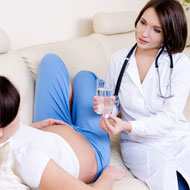
Women who suffer from high blood pressure have normal babies however in certain cases this can harm the mothers’ brain, kidney and other organs as well. In more severe cases the mother develops preeclampsia also known as toxemia of pregnancy which could be threatening to the mother and the child. Preeclampsia usually begins around the twentieth week of pregnancy and is connected with blood pressure and protein in the mother’s urine. Preeclampsia affects the placenta and other organs of the mother’s body. In some cases it can even cause seizures known as eclampsia. There is no way to prevent it during pregnancy however women who suffer from preeclampsia are closely monitored. Proper care is required during this time such as regular checkups and appropriate care. The mother should be calm and not be stressed and in some cases may be required to modify her intake of salt. Change in regular physical activities especially regular exercise is important in order to lose weight in case you are overweight. Discuss with your doctor the steps to control you blood pressure at the time of pregnancy is a good option. Monitoring you blood pressure is equally important. Also consult your doctor in case you take blood medication if it requires being reduced or stopped.
If you are diagnosed with preeclampsia during pregnancy you could face a lot of heath issues post pregnancy. You could be more prone to life threatening cardiovascular diseases as preeclampsia is a complication during pregnancy. You could be more at risk with problems such as diabetes, blood cloths, hypertension, and mellitus. Some home remedies that you could try are to drink a cup of tea prepared with celery leaves daily. Garlic is known to reduce the risk of heart diseases, hence chew 2 cloves of garlic every morning. Another option is to have a cut slice of beetroot with a juice of a lime squeezed over it and refrigerated overnight. You could also add a few changes to your diet and routine. You could take a nap for 2 hours in the afternoons, and have potassium rich foods like banana, potato, and dandelion. While some women may not require any specific treatment, other more serious cases would require hospitalization. In some severe cases of preeclampsia, delivery may be the only option. An accurate diagnosis is necessary to determine the necessary treatment. In some cases, hospitalization may be necessary if the probability of a premature delivery is high.
ADVERTISEMENT
Pregnancy and Baby Care Questions
- RSS Feeds -
- All posts
- All comments
advertisement
Related Articles
- Hypertension During Pregnancy Hype
- Excess Pregnancy Weight Gain Weight gain during pregnancy is one of the most natural changes that occur du
- What is Postpartum Depression? Postpartum depression, though not talked about very commonly, is very much a
- Safe Alcohol Use in Pregnancy Drinking alcohol during pregnancy will put you and your unborn baby in danger
Related Topics
Categories
Archives
Pregnancy Baby CareBlogs