Pregnancy And Baby Care Articles During Pregnancy
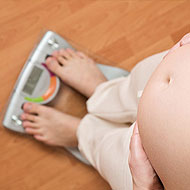
Excessive Weight Gain During Pregnancy
Submitted by Nick on January 19, 2012
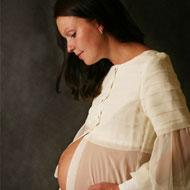
Weight gain during pregnancy is one of the most natural changes that occur during pregnancy. This is mainly due to the added weight of the growing baby, the placental weight and the weight of the amniotic sac and amniotic fluid that cushions the baby. In addition, the body begins to produce more blood during pregnancy and there in an increase in breast and uterine tissue as well during this period. Moreover, women tend to eat extra during this time as they are eating for two. All these factors contribute to weight gain in pregnancy.
read more...
Related Articles
Pregnancy And Baby Care Questions
Continued...
The average weight gain during the entire pregnancy term of 40 weeks is approximately 25 to 35 pounds. However, women who are on the heavier side need to be extra careful about weight gain during pregnancy in order to minimize risks of pregnancy complications. Depending on their weight prior to conception, weight gain of 10 to 20 pounds may be suitable.
Women who are obese should preferably not put on more than 15 pounds. However, consulting a doctor with regard to suitable weight gain, diet and lifestyle is recommended to reduce the risks of pregnancy complications.
Excessive weight gain during pregnancy can adversely affect the health of the mother as well as the developing baby. Increase in weight during pregnancy increases the chances of the mother getting high blood pressure as well as diabetes. Both these conditions can lead to cardiovascular problems in the expectant mother. Excessive weight gain also increases the chances of preeclampsia, a pregnancy condition that is a combination of high blood pressure and traces of protein in the urine. In addition, increasing weight exerts pressure on the lower back as well as the joints thus causing great pain and discomfort. Deep vein thrombosis is another complication that arises out of excessive weight gain. Many women are also known to suffer from water retention as a result of an unwarranted increase in weight. These conditions could affect the wellbeing of the baby and cause pregnancy losses in the form of miscarriages and still births. Preterm labor and delivery by C-section are other possibilities that arise with excessive weight gain. Besides all these health concerns, losing the extra pounds postpartum also becomes a difficult affair.
Pregnancy weight gain charts are useful when it comes to keeping a check on weight gain during pregnancy. If there is an unsuitable increase in weight, corrective measures can be taken immediately to check weight gain.
Read more articles from the During Pregnancy Category.

 7 Must-Haves Before Your Baby Arrives
 Bonding Games for Babies
 DIY Baby Bath Towel Apron
 Common Late Pregnancy Fears