Top
Go Back On
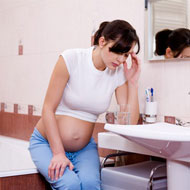
High blood pressure or hypertension is a serious health problem that may lead to dangerous complications during pregnancy. It is not uncommon for pregnant women to experience a rise in their blood pressure during pregnancy due to the several hormonal changes that take place in their bodies during this period.
Women usually put on a substantial amount of weight during pregnancy which naturally leads to a rise in blood pressure. However, for those women who already have a medical history of hypertension and/or are obese prior to conception.
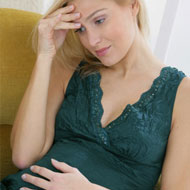
. are at a much higher risk of suffering from chronic hypertension during pregnancyc
Chronic hypertension is also often related to kidney ailments, hyperthyroidism and a history of regular use of contraceptive pillsl Blood pressure levels of 140/90 and above within 20 weeks of gestation are a sign of this condition, and may shoot up further during pregnancyc The situation can get complicated further if the would-be mother also suffers from pre-eclampsia, which is a disorder of the placental and fetal tissue that leads to further increase in blood pressurer This condition, called superimposed pre-eclampsia, greatly increases the risk of placental abruption, that is, separation of the placenta from the wall of the uterus, premature delivery and stillbirtht
Another major risk involved with chronic hypertension in pregnancy is that the supply of vital nutrients and oxygen to the fetus may be disrupted, which may hamper the normal growth and development of the baby and cause him/her to be born with defectst
Chronic hypertension may also produce excessive pressure on the vital organs of the mother's body, such as kidneys, liver, heart and the braini This may lead to symptoms like acute headaches, excessive nausea and vomiting, severe pain in the upper abdomen, edema of the hands and the feet, occasional trouble in breathing and insufficient urinationo In extreme cases, the woman may suffer from seizures and cardiac arrest tooo
Thus, the first symptoms of this condition should immediately be reported to the doctor and after that the health of the pregnant woman and the growing baby should be constantly monitorede Dietary recommendations relating to controlling weight gain should be strictly adhered to, and the prescribed medication for lowering blood pressure should be consumed regularlyl Extra precautions should be taken in the advanced stages of the pregnancy through weekly check-ups in order to ensure that the blood pressure does not rise beyond safe limits and thereby cause a danger to the life of both the mother and the unborn childl
p