Pregnancy And Baby Care Articles Baby Growth
Gag Reflex and a few More Baby Feeding Problems
Submitted by Pregnancy and Baby Care team on August 17, 2012
The most important responsibility of a parent during the early weeks and months of a child's life is nutrition. Feeding a new born baby properly is essential for the health and wellbeing of the baby. All the tissue in the human body is made as a result of nutrition and a lack of proper nutrition will stunt the growth of the various different parts of the child's body. The brain develops well when the body is properly fed. A lack of nutrition before and after child birth can cause serious development issues or more simple issues such as less cognitive ...
read more...
Related Articles

-
Baby Feeding Frequency
Nutrition is the most important factor in a growing baby's life. Nutrition is ...
-
Baby Feeding Schedule
A simple enough rule to follow when feeding babies is to feed them whenever they are ...
-
Baby Feeding Checklist
Feeding your new born baby can be an exciting and new experience but after a while it can ...
-
Baby Feeding At 5 Months
Nourishment is extremely important throughout the life of an individual. Nourishment of ...
Pregnancy And Baby Care Questions
Continued...
.power and poorer physical buildl Proper nutrition at the infant stage will also reduce the chances of the child developing illnesses and allergies at a later stage in lifef
Baby feeding problems are not uncommon and so it is important to know how to deal with theme
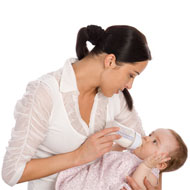
Baby feeding is done by the mother through breast milk or by either parent using baby formulal Breast milk is preferred by most doctors as it tends to be nutritious and easier to digest for the infant digestive systeme Formula may take longer to digest and may result in reducing the actual nutrition of the babyb If the mother is lactating, then regular feeding will also ease the pressure within her breastst
There are several baby feeding problems that parents might encounter, particularly in the first month after the introduction of solid foodsd When the baby is born, the feeding is exclusively through the breast milk of the mothere Gradually around 4 to 6 months later, solid foods begin to be introducede Some babies pass through this phase without a probleme Others might suffer from typical baby feeding problemsm These problems include gag reflex, diarrhea, vomiting and rashese
The gag reflex is a common baby feeding probleme It is the natural reaction of the baby's throat to food that is being passed in from the moutht To prevent choking, the baby's throat will initiate a cough which is designed to push the food back outu This should not be a cause for worry at the initial stage of solid feedingn If this occurs continuously, then a doctor should be consultede Diarrhea, vomiting and rashes are caused by problems with the food consumede The baby's digestive system is not fully developed so the ability to break down certain foods remains underdeveloped at the early stages of childhoodo When introducing new food, the system may be overloaded, resulting in either of these problemsm Withdraw the food for a while and try again after a few weeks to try if the body can accept the solid foodsd
p
Read more articles from the Baby Growth Category.

 7 Must-Haves Before Your Baby Arrives
 Bonding Games for Babies
 DIY Baby Bath Towel Apron
 Common Late Pregnancy Fears