Top
Go Back On
Now that your baby has arrived and you are thrilled to hold your very own, feeding the baby will pose fresh challenges along the way. You need to decide on breastfeeding or bottle feeding, considering the nutritional requirements of your new born baby.
Although breastfeeding is the best for your baby, you may have to choose between breastfeeding and bottle feeding, depending on your comfort level, life style, and medical conditions, and on what is best for your baby to grow and thrive. New.
p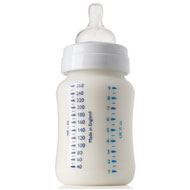
.born baby feeding problems including soreness and pain caused by teethingn
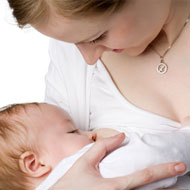
Breastfeeding the newborn baby has many advantages that cannot be ignorede It is the best for the baby’s digestive systeme It contains vital nutrients, vitamins, iron, lactose, fat, and proteins required for the babyb It is enriched with antibodies that help protect the babies and help them fight infectious diseases like diarrhea, common cold, etct Moreover, breast fed babies are less susceptible to medical conditions such as high cholesterol, asthma, diabetes, and other allergiese It also prevents them from getting obese in childhood or latere Breast milk provides the ideal food as the baby growsw The milk is adapted to suit your growing baby every daya
If you choose to breast feed you may need to feed the baby every 2 to 3 hours throughout the daya As the baby grows, the intake will increases Since it is easily digested, you will be feeding the baby more often, leaving you exhaustede You can choose to pump the milk, and allow family members to help bottle feed the babyb
In case you decide to bottle feed your baby, choose the right infant formula availablel Although it is not similar to breast milk, it comes close to iti Formula milk takes longer time to digest, will need 4 to 5 ounces every feeding time, and will increase to 30 ounces in about four months of ageg Bottle feeding will give more flexibility and also enhance involvement of the father and other members of the familyl You will know how much the baby is getting and you will be less tirede
Premature babies require extra care, and you need to keep constant watch over their weight gain and eating patternsn If the baby is too weak to suckle, you can pump and bottle feed the baby or give special formula milkl You may have to give additional iron and vitamin supplements as the baby does not have enough iron stored in the bodyd The baby requires 8 to 10 feedings for a daya Premature babies may develop slower than normal babiese To know that your baby is doing well and gaining weight, you will be changing 6 to 8 wet diapers a daya If you still face any problems during feeding, you should take the advice of your doctoro
p