Pregnancy And Baby Care
Baby Feeding Stages
Baby Feeding Stages: Guide for Baby Feeding Amount and Schedule
Newborn infants feed solely on liquids and then later move on to solid foods. Moms need to plan a schedule for feeding their babies.
Baby feeding schedules
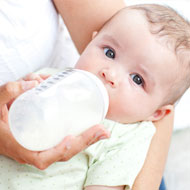
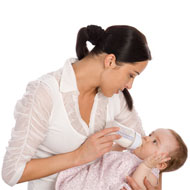
- A newborn baby should be fed only breast milk or formula.
Solid foods should not be introduced till at least 4 months, because the baby’s digestive system is not yet ready for it. Besides, milk alone has the specific nutrients.
l
read more...
Related Articles
-
Baby Feeding Problems
The most important responsibility of a parent during the early weeks and months of a child...
-
Stage 1 Baby Food
There are many different brands and kinds of baby foods that are available commercially. ...
-
Baby Feeding Schedule
A simple enough rule to follow when feeding babies is to feed them whenever they are ...
-
Nutritious Meals for Toddlers
Cultivating healthy eating habits in your children has to be done when they are toddlers. ...
Pregnancy And Baby Care Questions
Continued...
.necessary for an infant’s overall growtht
- By 6-8 months, you can begin to introduce the first solid foodsd These can be baby cereals or cooked and finely mashed/pureed fruits and vegetables like bananas, avocado, sweet potato or butternut squashs The consistency should be smooth and almost liquid, so that baby can swallow it easily, without chewingn Milk/formula still remains the main food, with the solid food being offered only oncec
- Around 8 to 10 months, you can begin to add more varieties of vegetables and fruits, along with pasta, meats, eggs, cheese and yogurtr Food still needs to be cooked and mashed welll You can now substitute one day feed with a solid meal, but babies till need milk for their other mealsl
- By 12 months, babies begin to grow their first molars and are ready for more solid foodsd They now enjoy chewing, so instead of mashing food finely, you can chop them into small bitst By this age, they are able to appreciate colors, textures and tastes, so you can add experiment with various ‘grown-up’ foodsd
Baby feeding guide
- It is best to introduce a new food in the morning or in the early afternoono
This enables you to monitor any allergic or adverse reaction, and immediately seek help from your doctoro - Eating solid food is a new experience for your baby, who may not want to accept if s/he is too hungryr Do not force the issue and let baby have the usual milk feede
- When you are offering food with a spoon, make sure that baby is sitting upright, in order to prevent chokingn
- Use a soft spoon which will not injure baby’s tender gumsm Some mothers prefer to use their fingers (washed and clean) in the initial stagese
- Don’t overwhelm your baby with too much talk and ‘yum-yum’ sounds when feedingn It may over-stimulate them and also take away their attention from the foodo
Baby's feeding amount
Most mothers find it difficult to understand what a baby’s feeding amount should beb The best indication is baby’s enthusiasms If they turn their head away, or if they stop opening their mouth it means they have had enoughg Trust their instincts and don’t force feede
p