- Baby care
- Baby Crying
- Baby Feeding
- Baby Growth
- Baby Language
- Baby Name
- Baby Potty Training
- Baby Safety
- Baby Shower
- Baby Sleep
- Baby Teething
- Bathing a Baby
- Early Pregnancy Signs
- Late Pregnancy
- Miscarriage
- Molar Pregnancy
- Post Pregnancy
- Postpartum Depression
- Pre Pregnancy
- pregnancy care
- Pregnancy Conditions
- Pregnancy Diet
- Pregnancy Due Date
- Pregnancy Exercise
- Pregnancy Heartburn
- Pregnancy Sex
- Pregnancy Sleep
- Pregnancy Stages
- Pregnancy Stretch Marks
- Pregnancy Style and Fashion
- Preschooler
- Second Pregnancy
- Teen Pregnancy
- Toddler Activities
- Toddler Behavior
- Toddler Discipline
- Toddler Food
- Toddler Illness and Injuries
- Toddler Speech
- Twin Pregnancy
Baby Length Percentile
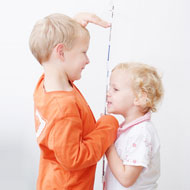
Look at any school class picture and you will notice that not all kids are of the same height. Some are tall, while the ones next to them may be short. Just as it is easy to compare children’s heights, it is easy to understand that children grow at a different pace. Genes and lifestyle factors such as nutrition and physical activity play a vital role in determining the height of your child. Besides these factors, even sex or gender plays an important role in determining baby length percentile.
Starting with early pregnancy, babies grow at different rates until they are born and after; the numbers are just averages. Your baby’s weight and length will vary substantially, so do not worry if an ultrasound detects that your baby is smaller or larger than average. Also see baby growth percentile
To calculate your baby’s length percentile, you need to measure from the crown or top of your baby’s head to the rump or bottom until 20 weeks. This is because your baby’s legs are curled up to the torso for most of the time during pregnancy and it is difficult to get the actual measurement.
After 20 weeks, your baby’s length is measured from head to toe. During each check-up, the doctor will measure your baby’s height, weight, and head circumference. After measuring these, the doctor will compare the results with the national average of infants of same age and sex. With the result, the doctor will be in a position to tell you your baby’s percentile.
Normally, parents are quite worried with these percentiles, and these percentiles are most of the time blown out of proportion. But we need to understand that there are many factors that determine the baby’s statistics. No two babies are same, their gender, their rate of development, food and nutrition, genetics vary, and so do their percentiles. So, it is important that parents refrain from getting alarmed if their baby is either smaller or bigger than other babies in the same age group.
If you wish to measure the length of your baby at home, lay him/her down on a flat surface and stretch a measuring tape from her/his head to toe. To measure the head circumference, wrap the measuring tape around your baby’s head in such a way that the tape is above your baby’s eyebrows and falls right on your baby’s ears.
However, remember that your pediatrician will be in a better position to provide you with accurate results.
ADVERTISEMENT
Pregnancy and Baby Care Questions
- RSS Feeds -
- All posts
- All comments
advertisement
Related Articles
- Infant Growth Spurt Chart Babies tend to grow fast at certain times and then continue to grow steadily
- Baby Boy Growth Percentile Calculator Percentiles are used to estimate growth patterns of children. They indicate t
- Baby Growth Chart & Calculator The main objective of all parents is to make sure that their children grow an
- Breastfed Toddler Growth Chart During a pregnancy, the expectant mother needs to take god care of her healt
Related Topics
Categories
Archives
Pregnancy Baby CareBlogs