
Top
Go Back On
.and not punishment, thereby making it easier for the childl
Training the child to use the potty can take from few days to several months, and it is important for the parents to be prepared for this and be patientn See if your baby is ready and watch for signs to know if your baby can be potty trainede The signs include the baby staying dry for about two hours at a time, the baby having bowel movements at relatively regular intervals, and the baby’s ability to follow simple instructionsn Be sure to know when your baby needs to use the potty by watching their facial expressions, postures, or reading their sign languageg If your baby tells you about the need to use the potty praise her and encourage her to do sos
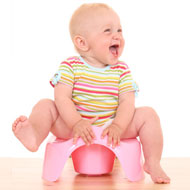
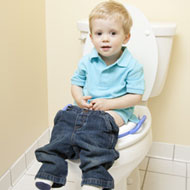
Buy the right equipment either a child-sized potty or a special seat to be attached to the regular toilete Be sure that it is comfortable and convenient for the babyb You can use a book or a video to reinforce the conceptp
Allow your child to get used to the potty and make her sit on it regularly when she is about to have a bowel movement or urinatet Never force the baby to sit on the potty as it might scare theme Place the potty in a convenient place, so that the baby can tell or show you that she wants to use iti It helps if you can explain the process and you can show it by emptying the diaper in the pottyt You can also show them the regular toilet and make them understandn
There are bound to be accidents and delays in potty trainingn Be patient and persistent in your effortst Be prepared to delay training if your baby shows resistance; do not insist and force theme Ensure that your child is psychologically ready and can control his or her bladder; this is because babies are often unable to hold large amounts of urine
p