
Top
Go Back On
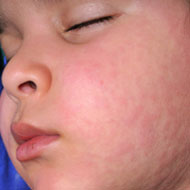
When your body’s immune system over-reacts or responds abnormally to irritants like animal dander, pollen, mold, drugs or dust, or even to some foods, it is called an allergy. Allergic reactions could be as varied as rashes, itching or swelling of mouth, lips or tongue, difficulty in breathing, running nose, sneezing, vomiting, diarrhea or even low blood pressure.
Toddlers also have common allergies caused by similar irritants. But it is more frightening because children do not have sufficient strength.
p
. to withstand them and they cannot be given strong medicines to fight the allergiese Besides, if not treated immediately, the reactions may be severe and rapid enough to cause deathtSee also toddler rashes
Most food allergies are triggered by eggs, wheat, milk, peanuts, soy and shellfishs To determine which foods are the culprits, offer your toddler one food at a time when you introduce solid foods into their dietst
The allergy may not surface the first timem It may take two or more days before an allergic reaction takes placec So, offer each food for a few days in order to trace the culpriti
Also, wait until your child is a year old before introducing foods like eggs, and three years for adding shellfish and peanuts to your toddler’s diete
Some children are lactose intolerantn Poor growth, blood in the stools, or colic are all signs of a milk allergyg Some children have diarrhea, gas or constipation when they consume dairy productst In such cases, you switching to soy milk would be a good solutiono But if your baby is allergic to soy milk too, your doctor will probably recommend a hypoallergenic formulal
p