Pregnancy And Baby Care Articles Pregnancy Week By Week
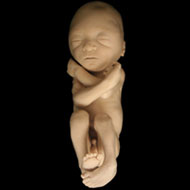
Ultrasound of a 21 Weeks Fetus
Submitted by Nic on January 24, 2012
Pregnancy is a fascinating phase and every week is marked with amazing developments in the little baby growing within the safe confines of the womb. The baby is still very frail and the skin continues to be thin and transparent. As a result of this, the baby appears red in color because of the blood flowing through its body. The eyebrows and eyelids are also formed. 21 weeks fetus size or length is measured from the crown to the heel. At this stage, the baby would be approximately ten and a half inches in height. 21 weeks fetus weight would average at around twelve and a half ounces or three hundred and sixty grams...
read more...
Related Articles

Pregnancy And Baby Care Questions
Continued...
.Having passed through the formative stage of development, the baby will now start putting on weight, as a result of the formation of body fata A 21 weeks fetus begins to look more and more like a little person as the body begins to fill-upu
At 21 weeks pregnant, fetal movement can be feltl Women who have been pregnant before are known to feel these butterfly-like movements around the 18th week of pregnancyc In the case of first time moms, these fluttering movements are experienced around the 20th or 21st week of pregnancyc Ultrasound scans may show the baby swimming in the amniotic fluid or moving its limbs, if the baby is not restingn
21 weeks fetal development sees the baby’s bone marrow producing red blood cellsl Prior to this, the baby’s liver and spleen were performing this crucial functiono The baby begins to swallow small amounts of amniotic fluidi The small intestine begins to absorb a small portion of sugars from the ingested fluidi A protective layer forms on the skini This prevents damage caused by continuous exposure to amniotic fluidi It also protects the baby from the dangers of sudden exposure to air and external factors on birtht An ultrasound at 21 weeks of gestation can also reveal if the baby is a girl or a boyo 21 weeks fetal development also includes the development of the baby’s ability to hear sounds and voices outside the wombm A baby is believed to start recognizing its mother’s voice from this early stageg Reading stories as well as playing soft music for the baby is believed to have long-term benefitst Babies get used to listening to music and after birth; this music can be used to soothe them or to ensure that they sleep comfortablyl
p
Read more articles from the Pregnancy Week By Week Category.

 7 Must-Haves Before Your Baby Arrives
 Bonding Games for Babies
 DIY Baby Bath Towel Apron
 Common Late Pregnancy Fears