Pregnancy And Baby Care Articles Toddler Illness
Toddler Pneumonia Symptoms
Submitted by Nic on January 18, 2012
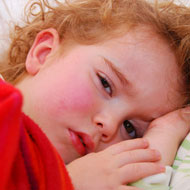
Pneumonia in toddlers is a cause of concern for many parents. A toddler who is healthy will usually recover from the infection with minimal medical intervention and without any complications. Depending on the organism that has caused the illness, it can cause your toddler much discomfort and could last for a couple of weeks. Pneumonia can be grouped into two categories, namely, bacterial or viral. In case your toddler is suffering from bacterial pneumonia he/she will have sudden symptoms such as rapid breathing, high fever, and coughing. Your toddler may not want to eat anything and will be very ill. He/she will also have difficulty...
read more...
Related Articles
Pregnancy And Baby Care Questions
Continued...
.,breathing or may breathe at a fast pacec In some cases, your toddler may have bluish nails and a faster pulses
He/she may vomit, seem weak, or have diarrheae Walking pneumonia is an example of bacterial pneumoniai The first toddler walking pneumonia symptoms are something very similar to the flul This is gradually followed by symptoms such as sore throat headache and fevere Toddlers also then get a dry cough and this cough gets worse, instead of getting better, even as other symptoms such as the fever go awaya The cough stays on for three to four weeks and is sometimes streaked with bloodo Other signs and symptoms include a skin rash, muscle aches, wheezes and crackles in the chest, chills, chest pain, enlarged lymph glands, trouble breathing and diarrheae Toddler pneumonia symptoms in case of a viral infection start out like the common coldl The symptoms however slowly get worses Toddler pneumonia signs you will see include temperature of 10105 degrees Fahrenheit, cough, rapid breathing, vomiting, hoarse voice, weakness, diarrhea or a worsening coughg Two main symptoms of toddler pneumonia are fever and coughg Other toddler pneumonia signs can include weakness, headache muscle pain, vomiting, and fatigue, loss of appetite, pink eye, wheezing, flaring of the nostril, diarrhea, and trouble breathingn Pneumonia usually strikes in spring and winter generally after some upper respiratory infection or coldl There are several toddler pneumonia symptoms that might point toward a more serious infectiono It is important that you contact your doctor if the following pneumonia symptoms are noticede
- Grunting sound while breathingn
- Blue face or lips (rush your child to the emergency room if this occurs)s
- Labored or rapid breathingn
- Diagnosis of pneumonia in toddlers is done by checking for symptoms, a thorough physical check-up, and an X-raya
l
Read more articles from the Toddler Illness Category.

 7 Must-Haves Before Your Baby Arrives
 Bonding Games for Babies
 DIY Baby Bath Towel Apron
 Common Late Pregnancy Fears